The Daily Choices That Influence Sleep

This journal explores insights from our naturopath and founder Emma around the daily choices, rituals and environments that may influence sleep quality and nervous system support.

It touches on everything from the spaces we create at home, to movement, nourishment, evening routines and some of the brands and products we personally enjoy incorporating into our wind down rituals to help create a softer transition into rest.

The environment we create

The spaces we spend our evenings in can deeply influence how the body responds to rest.

Soft lighting, calming textures, quiet music, natural materials and a clean, organised bedroom can all help create a sense of ease within the body. We love weaving in soft bedding, linen and thoughtful details that make a space feel grounding, comforting and calm.

When our environment feels supportive and settled, the nervous system often follows. Over time, the atmosphere of a room can become part of the ritual itself, gently signalling to the body that the day is beginning to slow down.

What we do throughout the day matters

Many of us reach the evening already feeling overstimulated, wired and mentally full from the pace of modern life.

Our bodies are constantly responding to stress, screens, noise, caffeine, work demands and ongoing stimulation throughout the day. This means the process of winding down often begins much earlier than we realise.

Nourishment

The way we nourish ourselves during the day may influence how we feel by the evening.

Balanced meals earlier in the day can help support stable energy and nervous system regulation, while lighter dinners earlier in the evening may help the body prepare for rest more comfortably.

Many people also experience an afternoon energy dip, often reaching for more caffeine to push through the day. While caffeine can absolutely be enjoyed, reducing intake later in the afternoon may help support a gentler evening wind down and better sleep quality for some people.

Movement

Movement can also play an important role in nervous system support.

Practices such as pilates, yoga, walking or stretching may help regulate stress hormones, release tension and support a calmer transition into the evening.

Rather than approaching sleep from a place of pressure, we believe in creating rituals that feel nourishing, comforting and sustainable.

The evening rituals we return to

Sometimes it is not one major thing that helps us unwind, but the small repeated rituals we return to each evening.

These quiet moments can become gentle cues for the body to slow down, helping signal safety, calm and rest to the nervous system.

For us, this often looks like:

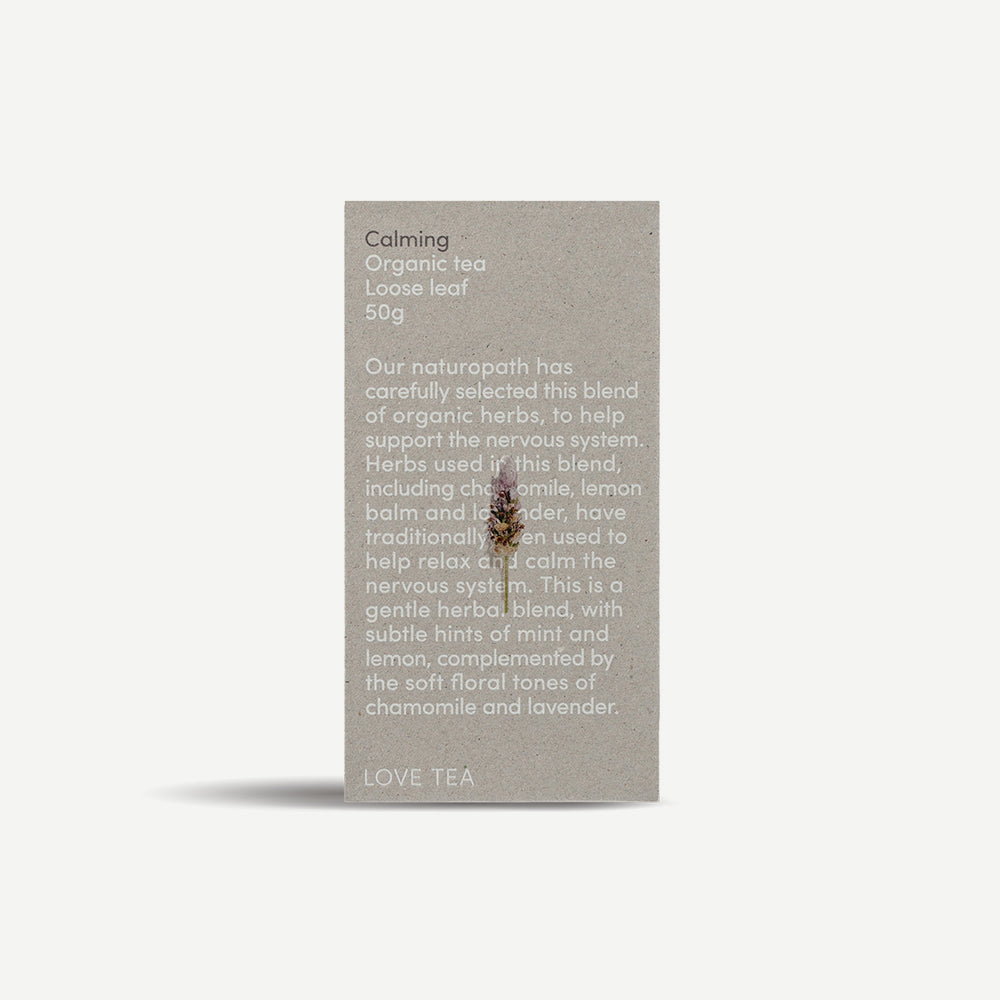
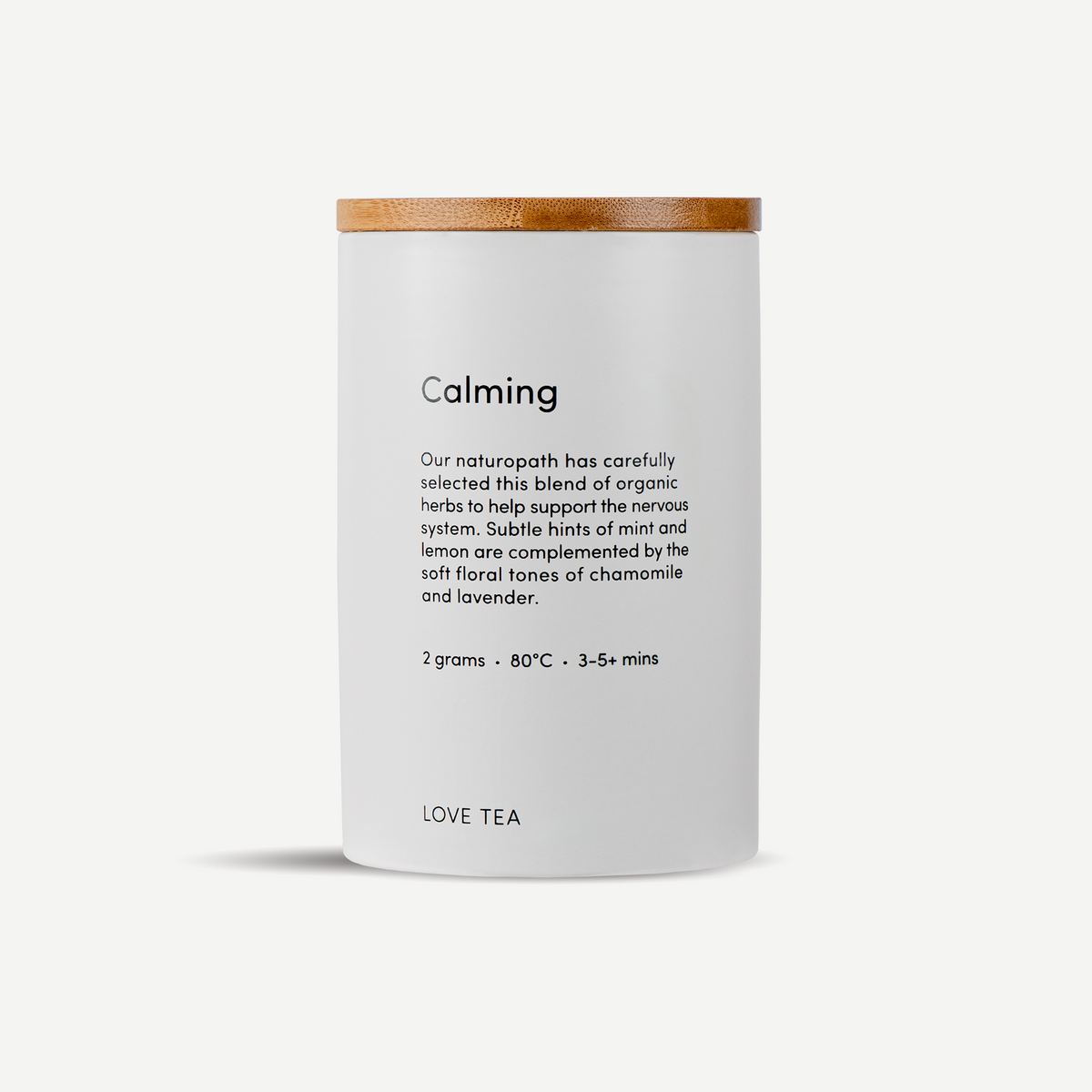
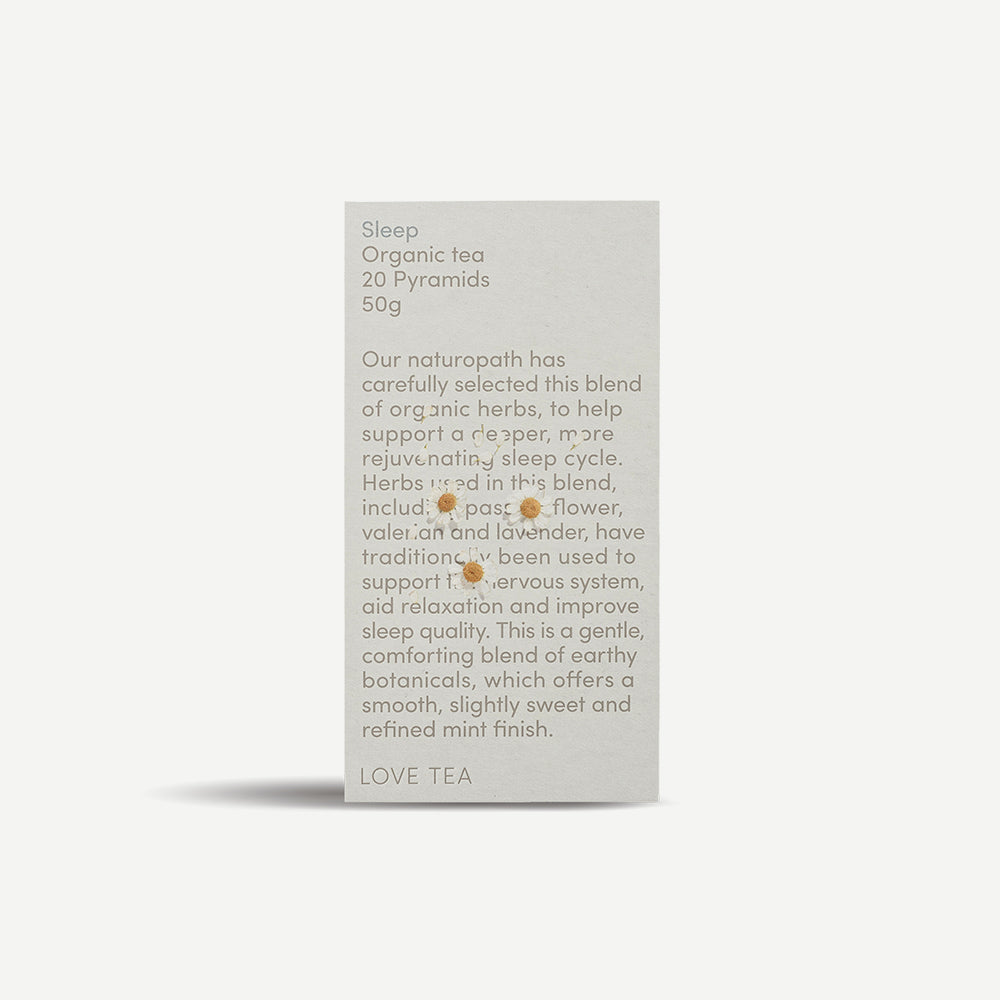
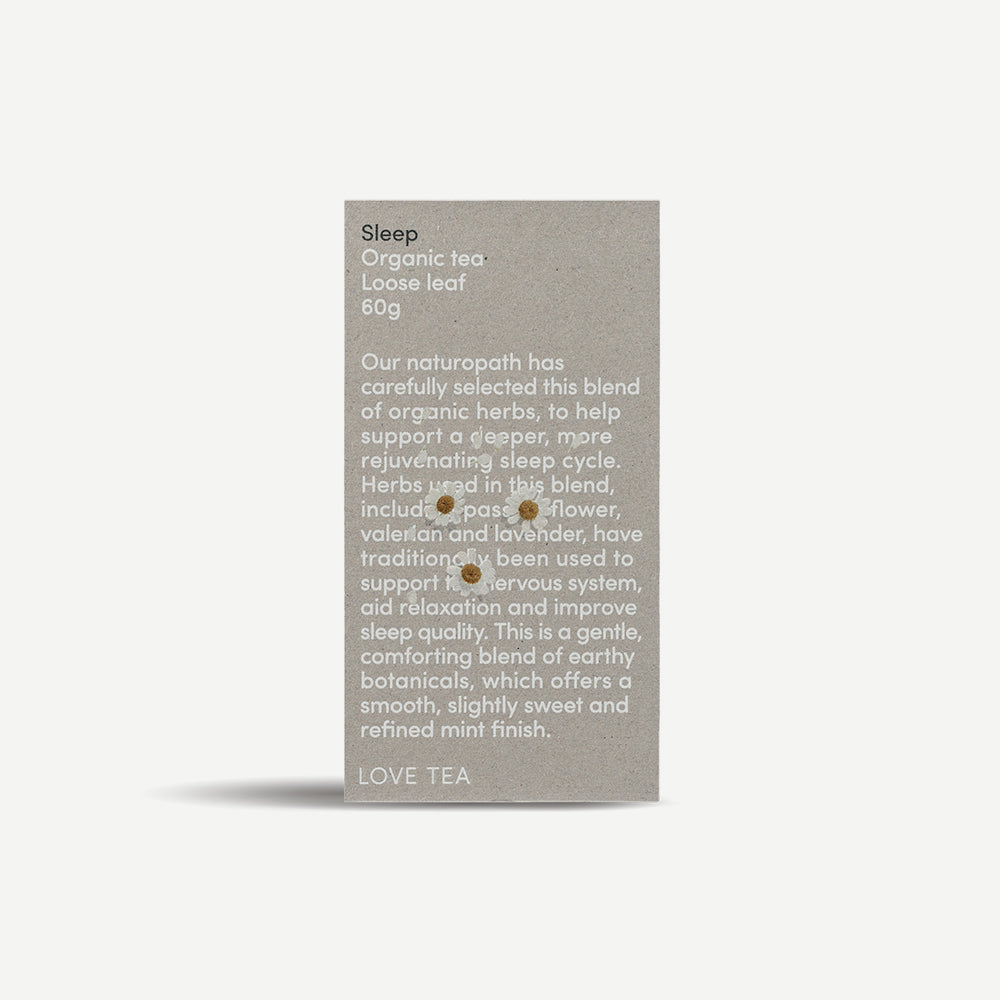
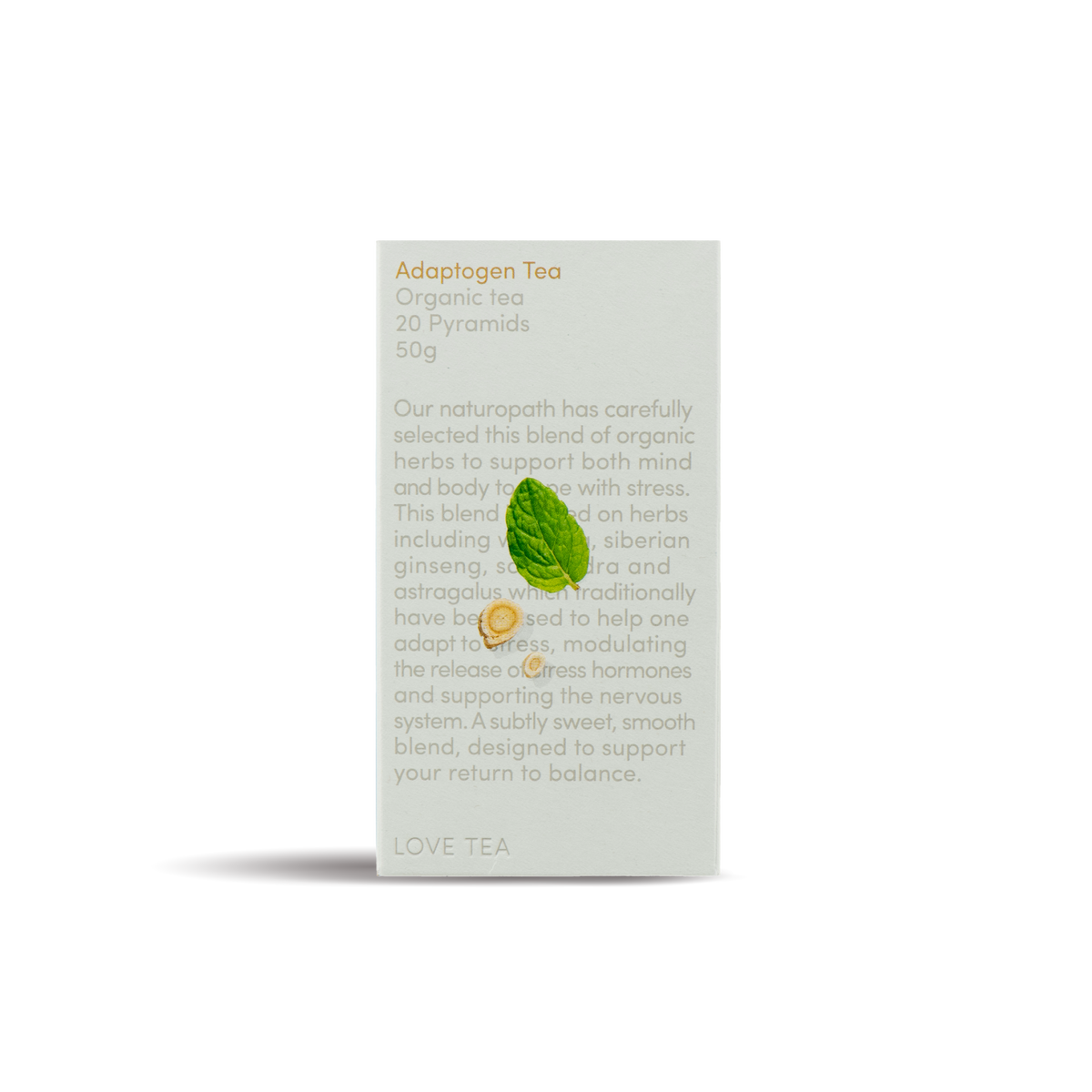
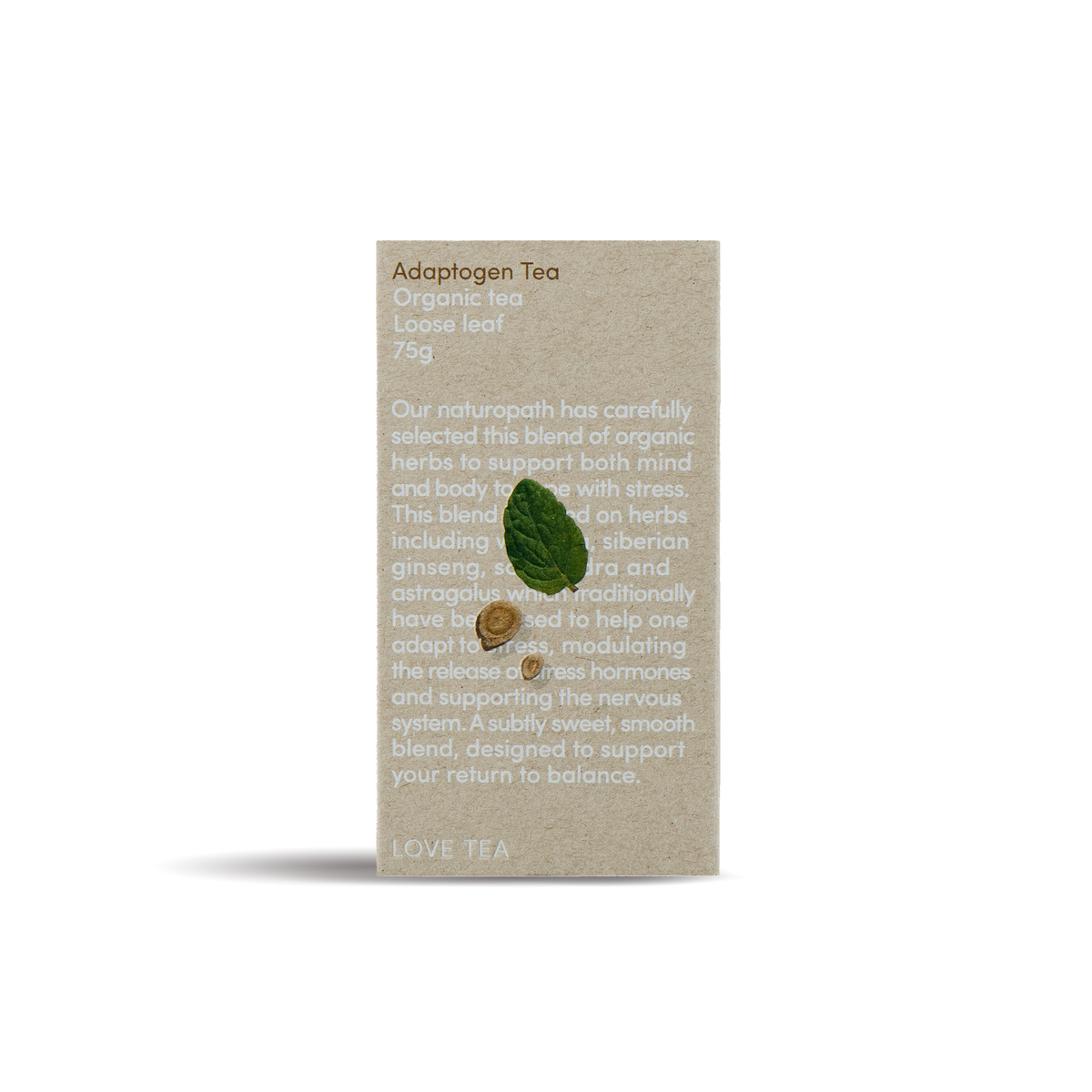
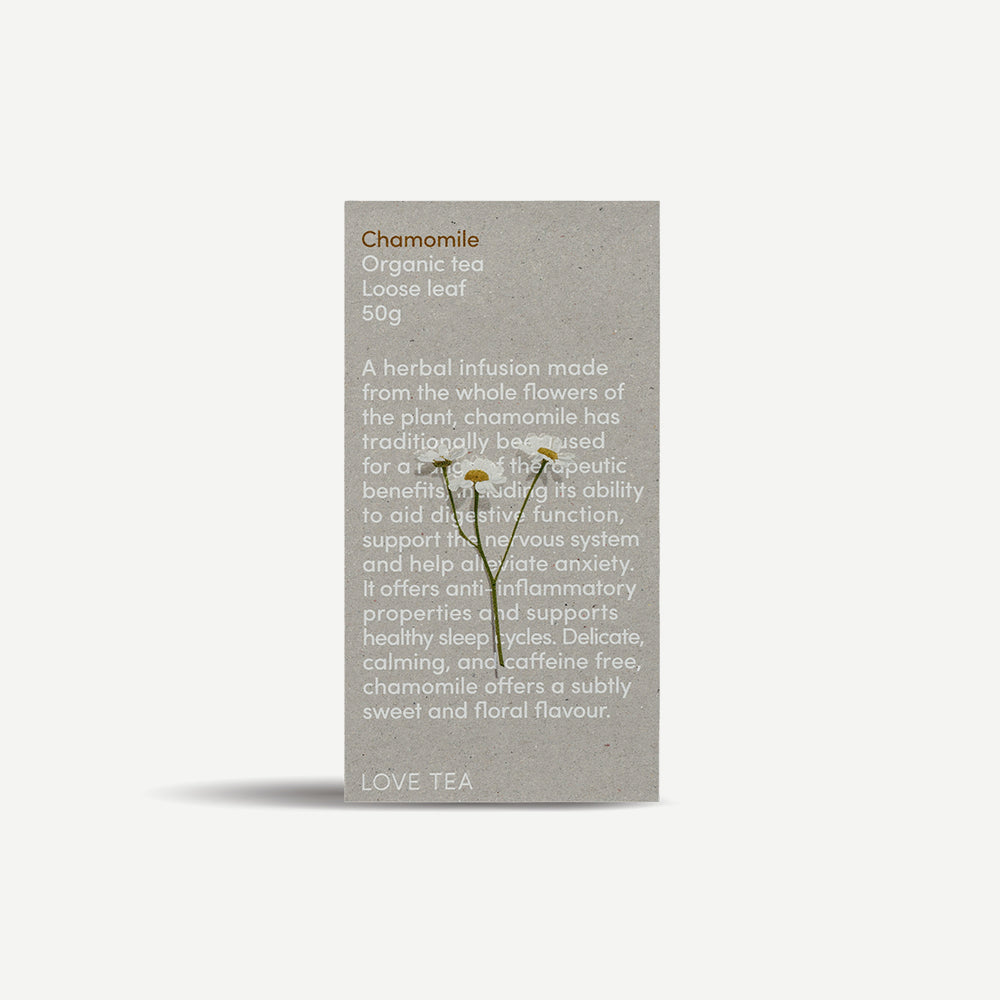
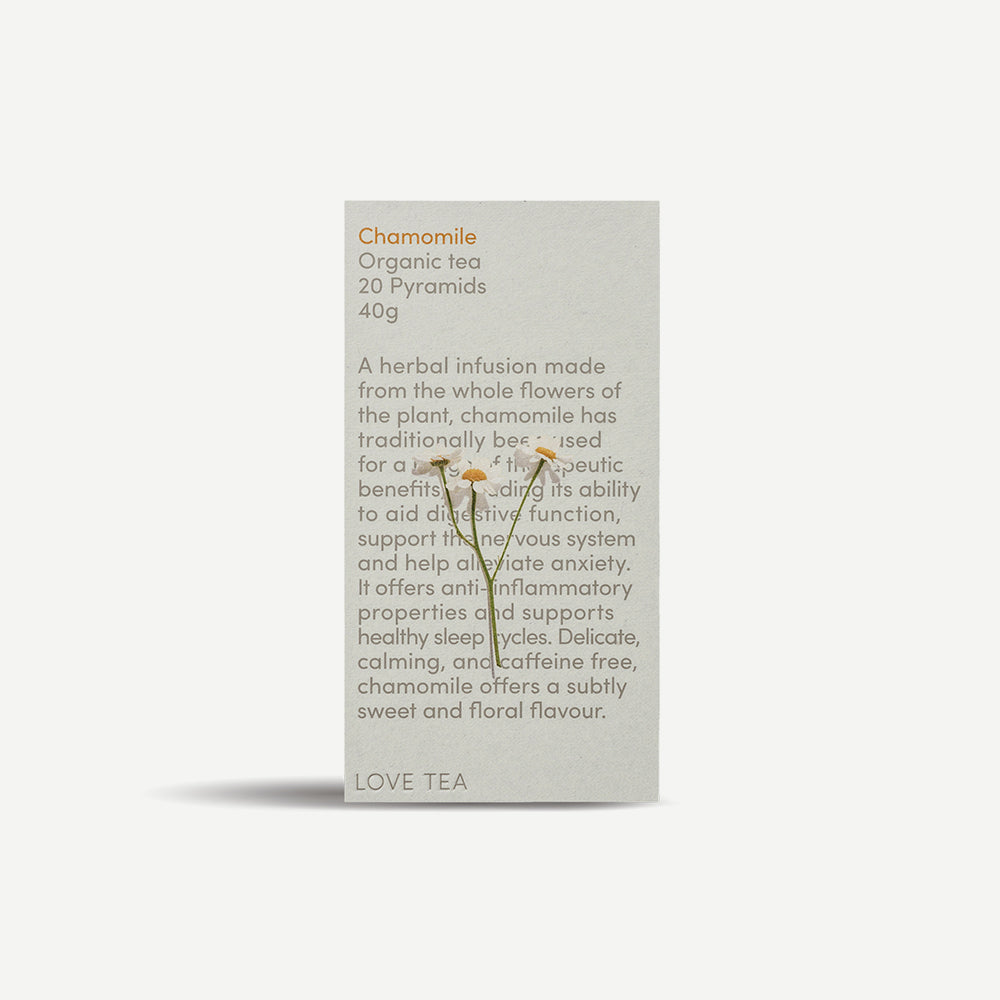
  • Making a warm cup of Sleep Tea or Calming Tea can become a ritual in itself. The warmth, aroma and pause of preparing tea may help create a sense of calm before bed, while herbs such as chamomile, lavender and passionflower have traditionally been used to support relaxation.

  • Soft lighting, calming textures, organised spaces and quality bed linen can all help create an environment that feels grounding, comforting and supportive to rest.

  • Applying a magnesium spray, such as Salt Lab, to the feet and stomach before bed can become another calming ritual that helps the body feel physically relaxed and cared for.

  • Reading, meditating or journaling instead of scrolling may help reduce overstimulation and create more space for the mind to unwind by the evening.

  • Lighting natural incense or candles instead of bright overhead lighting can completely shift the feeling of a space, helping create a softer and slower atmosphere before bed, while avoiding the synthetic fragrances often found in conventional home scents.

  • Enjoying a warm bath or shower using soft organic cotton towels, made without toxic fertilisers, pesticides, insecticides or genetically modified seeds, can become part of the ritual itself, creating a more considered and comforting experience for the body each day.

Over time, These small sensory moments can become cues for the body to feel safe enough to rest.

Questions to reflect on

  • What helps me personally feel safe enough or relaxed enough to unwind?
  • Does my bedroom environment feel calming and supportive?
  • What rituals could I introduce to make evenings feel softer?
  • Am I relying on caffeine to push through the day?
  • Am I eating a wholesome nourishing diet?
  • How does movement affect my nervous system and stress levels
  • Do I allow myself moments of pause throughout the day?
  • What habits may be making it harder for me to properly wind down at night?